
Transitioning from indoors to outdoors!
Transitioning from indoors to outdoors
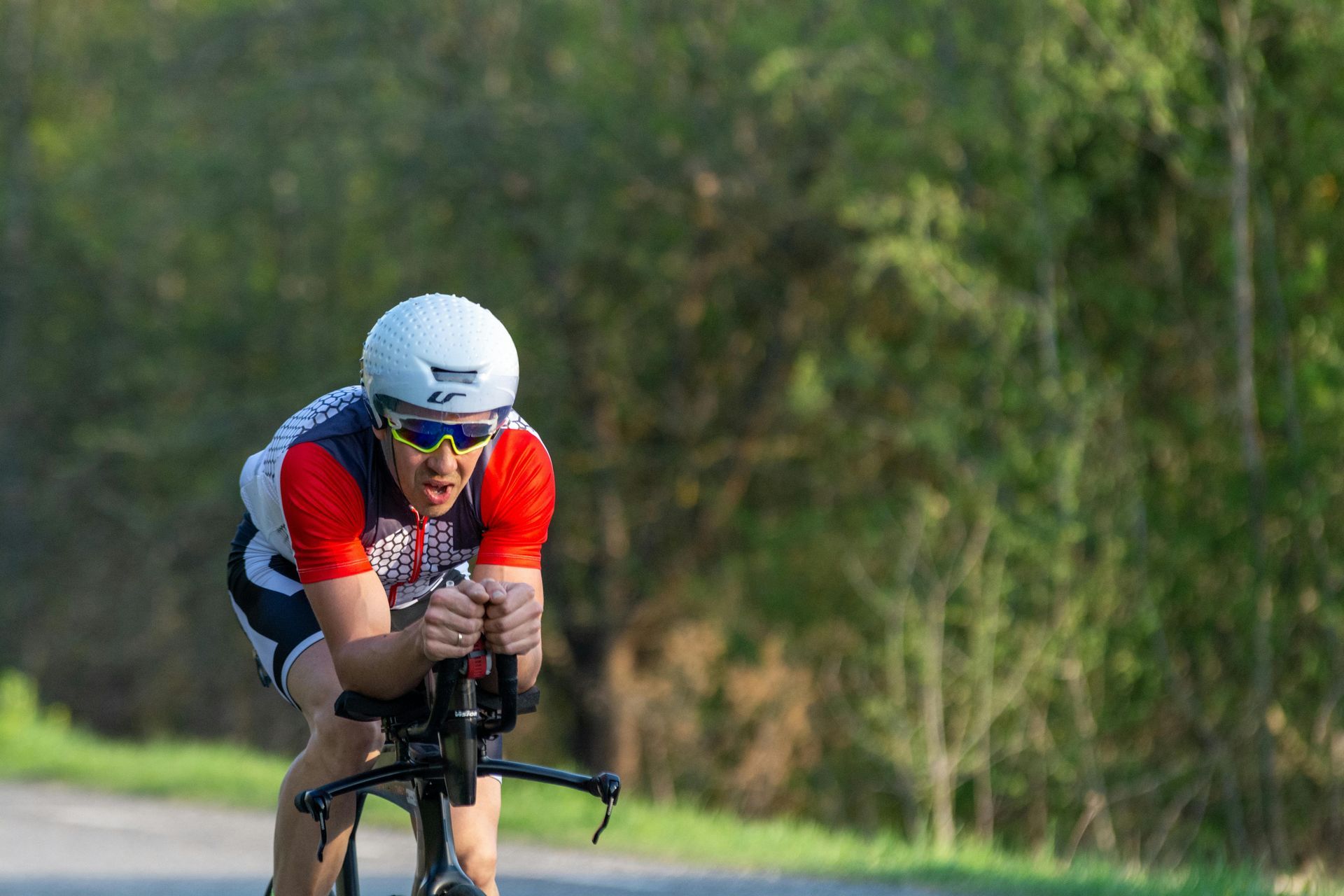
With the weather rapidly improving and the roads clearing, we are coming into that period of the year where folks transition from most training done indoors to lots or most done outdoors. And after a LONG winter like this one, we have earned that pleasure! Keep these points in mind to enjoy the transition as much as possible:
· Number 1, drive around and scope out where you may normally train. Get a sense of road conditions or trail conditions, regarding things like potholes, road degradation overall, and sand accumulation, which could lead to accidents or things like flat tires. If it looks safe, GREAT!
· Number 2, remember that after being indoors a ton, some things are different. The bike moves beneath you, the ground has less give than a treadmill, and you have to anticipate what’s coming up on the road/trail and be ready to navigate it. So be willing to take the first few sessions slow. But I’d also suggest being a little cautious with run recovery. The shift in surface types can impact folks differently, but allowing a few weeks to a month to acclimate before increasing load makes sense. Consider keeping your durations about the same initially, and then starting to increase duration after 2-4 weeks, so you are more prepared for a higher percentage of time landing on pavement.
· Number 3, anticipate more time – it takes a while to gear up and remove gear after, so plan a bit of extra time for putting on the extra clothes needed for early-season training.
· Number 4, keep notes of the weather and what you wear. Especially if you don’t have a long training history in a variety of conditions. This will help you pick the right kit in the future.
· Number 5, while we all have different likes and needs to be comfortable in cooler weather outside, a few things I find are key relate to:
- o Stopping wind will make even minimal layers feel warm – a good wind jacket and vest are vital pieces for endurance athletes to own.
- o Gloves and caps can make a huge difference in warmth – even if wearing relatively little elsewhere.
- o If you use multiple layers, aim to pick gear with zippers, so you can vent easily if you “overdress”.
· Number 6, while likely the last thing in this list, we New Englanders have had minimal sun exposure for months… So when we get those 75-degree sunny days in late March or early April (I’m hoping), don’t forget to sunscreen up really well! It’s easy to get burned early in the year due to how little sun our bodies have seen!
Most importantly, just enjoy it. It’s time to have fun with the hard work you put in over the winter – have fun!
Will Kirousis, MS, CSCS, CISSN
Tri-Hard | Director
USA Cycling Certified Coach
USA Triathlon Certified Coach
Certified Strength and Conditioning Specialist
Certified Sports Nutritionist
508.633.2708 | will@tri-hard.com |
www.tri-hard.com | @willkirousis
Max Performance organizes multi-sport events throughout New England with an emphasis on organization, communication, energy, and enthusiasm!
share this
Related Articles
Related Articles
stay up to date
Get MAX'S NEWSLETTER
Sign up for our Monthly Training & Racing Newsletter - and learn about exclusive discounts as well!